Lighting has evolved far beyond its traditional role of simply making a room visible. Today, lighting is considered one of the most important design elements in homes, offices, retail environments, and commercial spaces. It affects mood, productivity, energy efficiency, and the overall appearance of a space. A carefully designed lighting plan can completely change how people experience a room.
Modern homeowners and designers increasingly focus on combining style with functionality. Whether creating a comfortable living room, a productive workspace, or a welcoming retail environment, the right lighting choices can influence both aesthetics and practical use.
The Growing Importance of Smart Lighting Design
Interior design trends continue changing, but one factor remains constant: light influences how people interact with their surroundings. Natural light plays an important role, but artificial lighting often determines how spaces function during the majority of the day.
Good lighting can:
- Create visual balance
- Highlight architectural features
- Improve comfort
- Increase energy efficiency
- Support productivity
- Enhance mood
- Make spaces appear larger
Many modern spaces now use layered lighting techniques that combine ambient, task, and accent lighting to create depth and flexibility.
Why LED Technology Has Changed Interior Design
Technology has significantly improved the way people approach lighting systems. Traditional bulbs often consume more electricity and require frequent replacement. Modern alternatives offer better performance while reducing long-term costs.
Many designers now rely on LED Lighting because it combines efficiency with design flexibility. Unlike conventional lighting systems, LED options provide long operating life, reduced energy consumption, and various color temperatures suitable for different environments.
The popularity of LED solutions continues growing because they offer advantages such as:
- Lower electricity usage
- Reduced heat production
- Longer lifespan
- Flexible installation options
- Multiple brightness levels
- Environmentally friendly performance
These features make them suitable for both residential and commercial applications.
Creating Atmosphere Through Light
The atmosphere of a room depends heavily on the way light is used. Bright white lighting may work effectively in workspaces and kitchens, while warmer tones often create a relaxing environment in bedrooms and living areas.
Designers often use multiple lighting sources within one room to avoid flat or harsh visual effects.
Examples include:
Ambient Lighting
Ambient lighting provides overall illumination throughout the room. Ceiling fixtures, recessed lights, and pendant systems often serve this purpose.
Task Lighting
Task lighting focuses on specific activities such as reading, cooking, working, or applying makeup.
Examples include:
- Desk lamps
- Under-cabinet lights
- Reading lights
- Vanity lighting
Accent Lighting
Accent lighting adds visual interest and highlights decorative elements.
This may include:
- Artwork illumination
- Display shelves
- Architectural details
- Decorative wall features
Combining these layers creates a balanced environment rather than relying on one central light source.
Furniture Lighting and Modern Interior Trends
Interior design today increasingly integrates lighting directly into furniture elements. Instead of treating light as a separate feature, designers use it as part of the furniture itself.
Modern furniture lighting solutions are becoming increasingly popular in residential and commercial interiors because they combine practical use with sophisticated aesthetics.
Furniture-integrated lighting can be found in:
- Kitchen cabinets
- Wardrobes
- Bookshelves
- Display units
- Entertainment systems
- Bathroom mirrors
- Retail displays
This approach creates cleaner visual lines while improving usability.
For example, wardrobe lighting allows users to easily find clothing items without needing overhead lights. Similarly, illuminated shelving can showcase decorative objects while adding warmth to a room.
Lighting and Productivity in Workspaces
Office design has changed significantly in recent years. Businesses increasingly understand that workspace design affects employee wellbeing and performance.
Poor lighting can contribute to:
- Eye strain
- Fatigue
- Reduced concentration
- Discomfort
- Lower productivity
Modern offices now incorporate adjustable lighting systems that support different work styles and activities.
Bright lighting often helps maintain focus during analytical tasks, while softer lighting may encourage collaboration and relaxation in informal meeting spaces.
Hybrid work environments have also increased demand for better home office lighting solutions.
Energy Efficiency and Sustainability
Sustainability continues influencing purchasing decisions across multiple industries. Consumers increasingly seek products that reduce environmental impact while maintaining quality and performance.
Lighting systems contribute significantly to overall energy consumption within homes and businesses.
Energy-efficient solutions offer benefits including:
- Lower utility bills
- Reduced carbon footprint
- Longer replacement cycles
- Less material waste
Sustainable design is no longer viewed as a temporary trend. Instead, it has become a practical long-term strategy for both homeowners and businesses.
Lighting for Residential Spaces
Every area within a home serves a different purpose, meaning lighting requirements vary from room to room.
Living Rooms
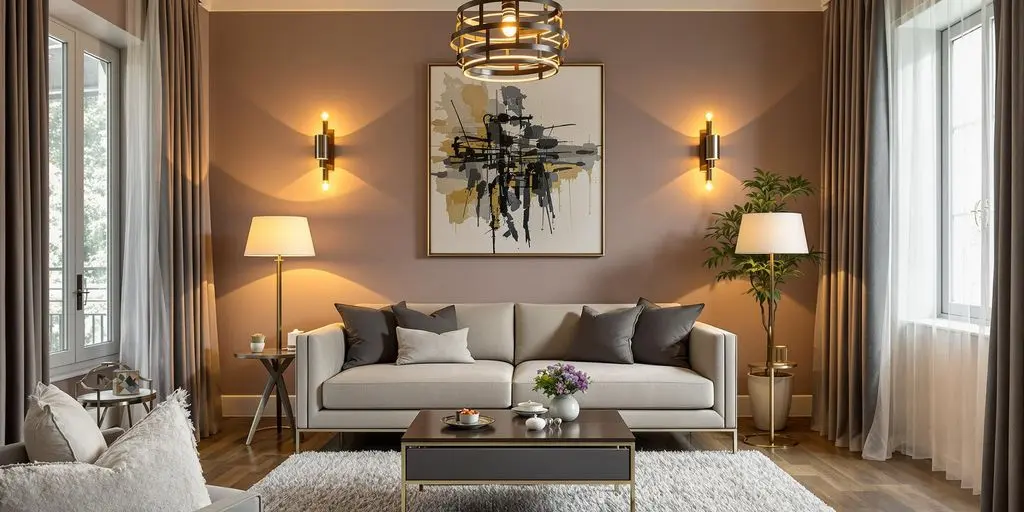
Living rooms often benefit from layered lighting that supports entertainment, reading, relaxation, and social interaction.
Popular options include:
- Floor lamps
- Wall lights
- Table lamps
- Ceiling fixtures
- Accent lighting
Kitchens
Kitchens require stronger task-focused illumination because food preparation involves precision and safety.
Common choices include:
- Pendant lighting
- Under-cabinet systems
- Recessed ceiling lights
Bedrooms
Bedroom environments generally prioritize comfort and relaxation.
Warm lighting tones often create a calmer atmosphere suitable for winding down at the end of the day.
Bathrooms
Bathroom lighting needs balance between function and comfort.
Mirror lighting and layered illumination help improve visibility without creating harsh shadows.
Retail and Commercial Applications
Lighting strongly influences customer behavior within commercial spaces.
Retail environments use lighting to:
- Highlight products
- Direct customer attention
- Create atmosphere
- Support brand identity
- Improve visual merchandising
Restaurants, hotels, and hospitality venues also rely heavily on lighting design.
Soft lighting may encourage guests to stay longer in dining environments, while brighter lighting may support faster service settings.
Commercial lighting therefore serves both aesthetic and business objectives.
Technology and Smart Lighting Systems
Smart technology continues transforming interior spaces.
Many systems now allow users to:
- Adjust brightness remotely
- Change color temperature
- Create schedules
- Use voice control
- Automate scenes
Smart lighting systems improve convenience while helping reduce unnecessary energy use.
For example, motion sensors can automatically switch lights off in unused spaces. Mobile applications allow homeowners to control lighting even while away from home.
These technologies continue becoming more accessible and affordable.
Common Lighting Mistakes to Avoid
Even attractive spaces can suffer from poor lighting choices.
Some common mistakes include:
Using Only One Light Source
Relying on a single ceiling fixture often creates uneven illumination and visual flatness.
Ignoring Color Temperature
Different light temperatures create different emotional responses.
Warm tones feel comfortable and relaxing, while cooler tones feel more energetic.
Overlooking Functionality
Visual appeal matters, but lighting should still support practical daily activities.
Choosing Incorrect Fixture Sizes
Fixtures that are too large or too small can disrupt visual balance within a room.
Thoughtful planning helps avoid these issues before installation begins.
The Future of Lighting Design
Lighting continues moving toward greater personalization and integration.
Future developments may include:
- AI-driven lighting adjustments
- Human-centric lighting systems
- Increased sustainability
- Advanced smart home integration
- More seamless furniture integration
Designers increasingly see lighting not as an afterthought but as an essential component of architecture and interior planning.
As technology evolves, lighting solutions will continue becoming more efficient, adaptable, and visually sophisticated.
Final Thoughts
Lighting shapes how people experience spaces every day. It affects mood, comfort, productivity, and overall design quality in ways that are often underestimated. Whether improving a private home, commercial environment, or workspace, thoughtful lighting choices can deliver long-term benefits.
Modern solutions such as LED Lighting continue changing how spaces achieve efficiency and style, while integrated furniture lighting introduces new opportunities for functionality and design creativity.